Discover the history, origins, and characteristics of Kosho Ryu Kempo Ju-Jitsu.
Kosho Ryu Kempo Ju-Jitsu is a true combat martial art, designed with one clear purpose: to protect you by neutralising any threat — quickly, safely, and effectively. We teach you how to disable an attacker using wrist and arm locks, controlled takedowns, and proven defensive techniques that work when you need them most.
Every lesson prepares you for real‑world situations — not just moves in a gym.
Ju‑Jitsu is the ultimate equaliser. It doesn't rely on muscle or brute strength — instead, it uses leverage, pressure points, and joint control to turn an attacker's own power against them. That's why it's trusted and loved by people of all ages, backgrounds, and physical abilities — and especially popular with women. No matter how strong or large someone may be, their joints work the same way yours do — and you'll learn how to use that to your advantage.
Turn your opponent's own strength and momentum against them — real self-defence that works for everyone.
Precision strikes to vulnerable areas and pressure points — instantly disable an attacker without needing great physical strength.
Use balance, timing and leverage to control and take down opponents — no matter how large or strong they are.
Powerful pins and control techniques to safely immobilise and hold an attacker — complete control, no unnecessary force.
Armbars, wrist locks and leverage-based control — neutralise any size advantage and stop threats instantly.
Battle-tested techniques against knives, clubs and weapons — the historic strength and proven heart of Ju-Jitsu.
Close-quarters and ground defence techniques — stay safe and in control when an attacker is right upon you.
Bushido, meaning "the way of the warrior," is the Japanese code of conduct and moral principles that guided the samurai class. At Bushido Ryu Martial Arts, we honour these traditions in our training:
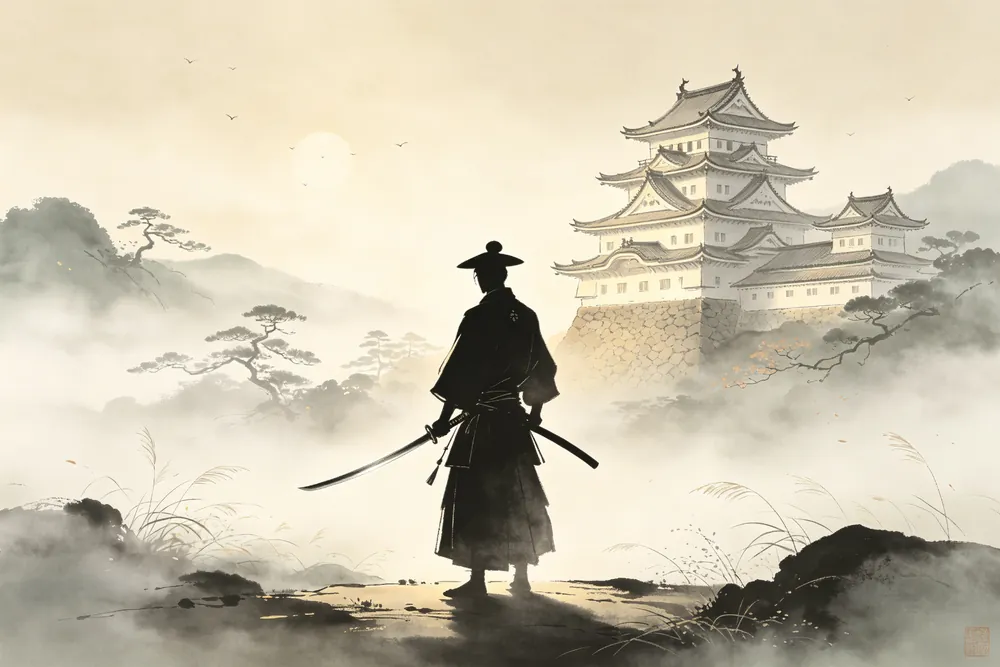
Japanese old style Ju-Jitsu or Nihon koryu Ju-Jitsu was developed and practiced during the Muromachi period in Japan. This old style of martial arts training was focused on teaching the unarmed or very lightly armed warrior to fight a heavily armed warrior.
The term Ju-Jitsu began to take hold in the 17th century. At the time, it described all of the grappling related disciplines in Japan being used and taught by the samurai. Ju-Jitsu translates to the "art of softness," or "way of yielding," reinforcing the notion that it uses an attacker's aggressiveness and momentum against them.
The first recognised school (Ryu) that taught only Ju-Jitsu moves opened in 1532, founded by Master Takenouchi Hisamori. The Takenouchi-Ryu taught the art of seizing (Kogusoku) and is usually considered to be the foundation of the modern art.
Ju-Jitsu developed further from the 17th century when many samurai warriors were no longer able to make an income from war as the country had begun a period of prolonged civil rest. Swords and other weapons were banned for all but the samurai, so martial arts schools that taught unarmed combat techniques grew in popularity.
Centuries of wisdom, ready for you to learn. Your first lesson is free.
Book Your FREE First Lesson Now